
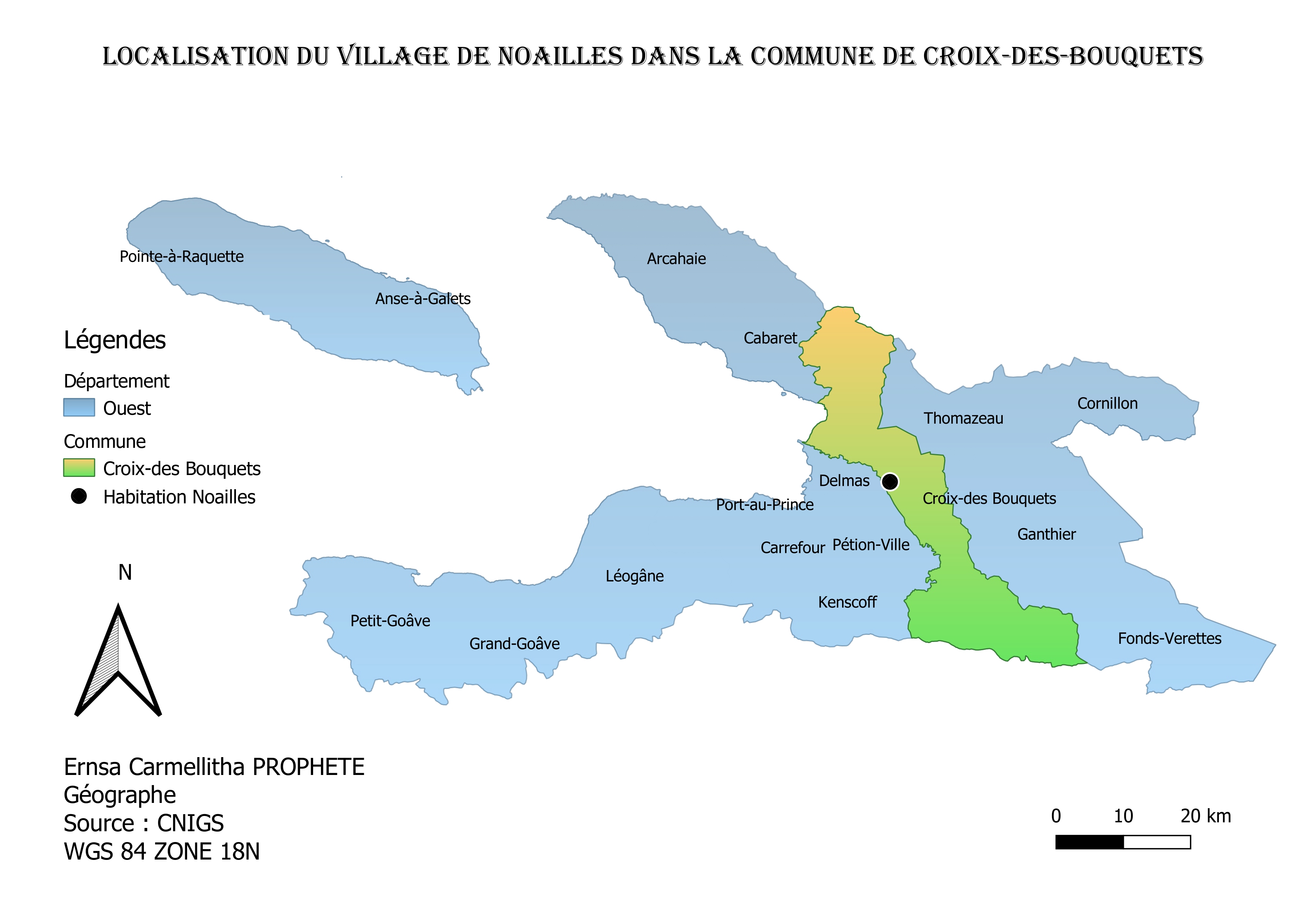
Dans la si belle et si riche histoire culturelle d’Haïti. Entre des lieux de légendes, parfois proches du paradis, une localité en particulier jouit d’une […]

Construisons le Nouveau Narratif Haïtien
Port-au-Prince, 8 février 2025.- Dans une dynamique de réflexion et d’échanges constructifs, Solidarité des Femmes Haïtiennes Journalistes (SOFEHJ), en collaboration avec le Ministère du Tourisme, […]
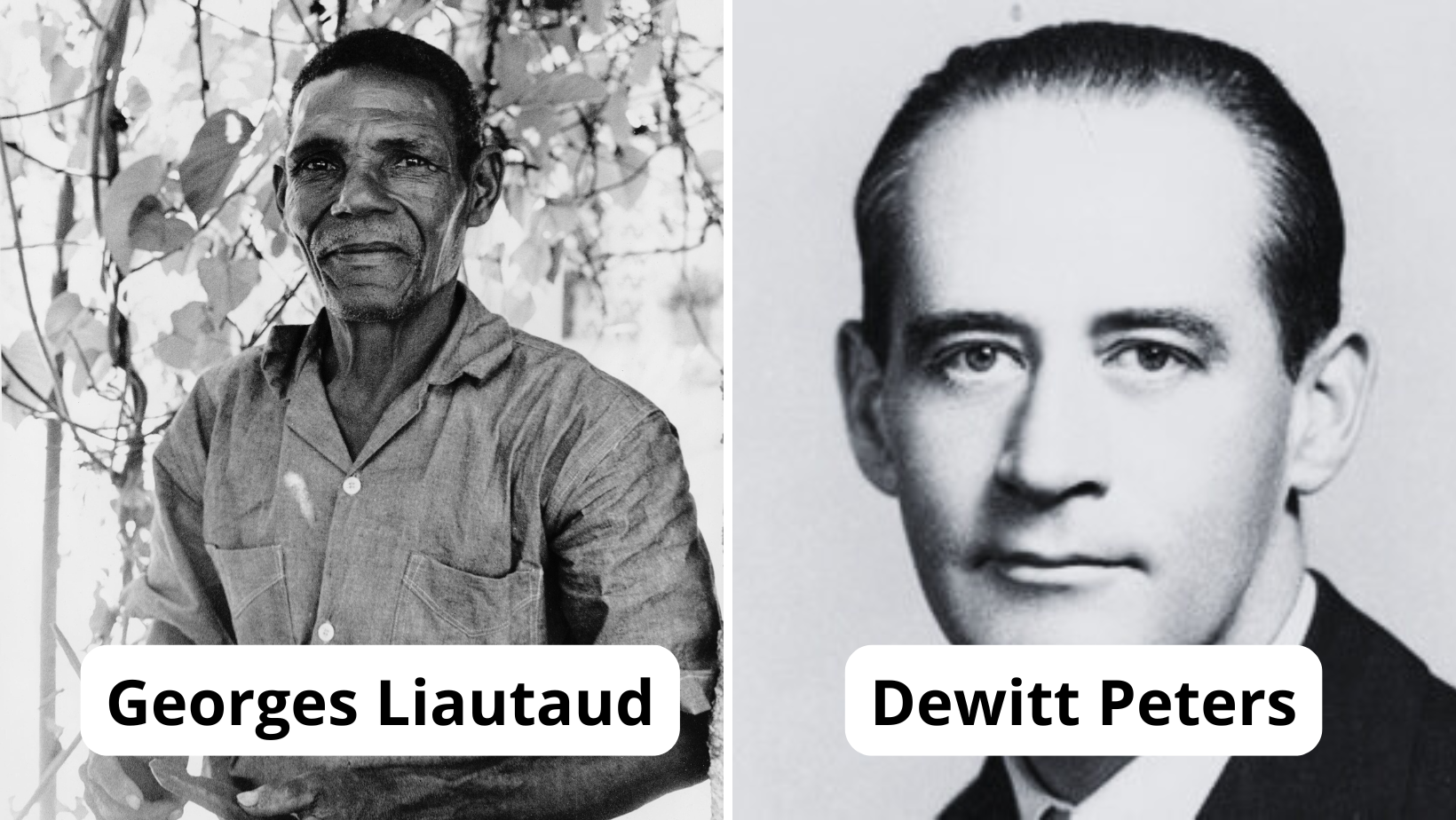
Georges Liautaud (Haïti) et Dewitt Peters (USA) : Pères fondateurs du métal découpé ou fer découpé du Village de Noailles
Quoiqu’ayant marqué à tout jamais l’art haïtien, le nom de Georges Liautaud est davantage connu à l’international. Il est important que les Haïtiens et les Haïtiennes, en plus de connaître son nom et son œuvre, prennent conscience de la valeur de ce qu’il a créé et de l’héritage qu’il a laissé. Il est tout aussi important de se rappeler que sans Dewitt Peters, peut-être que Georges Liautaud n’aurait pas été Georges Liautaud.
Renforcement du secteur de l’édition à travers la subvention de la foire annuelle de « Livres en Folie »
Le Ministère de la Culture et de la Communication d’Haïti a engagé́ un véritable plaidoyer au cours de l’année 2009, débouchant sur la ratification par […]
Cartographie de la désorientation artistique de Michelle Ricardo à travers Potomitan …
L’artiste Michelle Ricardo expose son œuvre Potomitan (2022), du 14 mai au 18 juin 2022, à la Maison Dufort dans le cadre de « Archipelago ». Celui-ci […]
Mapeando la desorientación artística de Michelle Ricardo a través de Potomitan…
Estos mismos procesos están presentes en el entramado plástico de Michelle Ricardo a través de la obra Potomitan que da a ver y a leer […]
Pratiques et savoir-faire liés à la production du Rhum Barbancourt
Summary:
The « Rapport d’inventaire du patrimoine culturel immatériel » documents the intangible cultural heritage associated with the production of Rhum Barbancourt in Haiti. The report covers the historical background, identification, geographical location, traditional production methods, material and immaterial aspects, language use, and the current status and viability of the element. It emphasizes the involvement of various institutions, the community, and individuals in the preservation and transmission of this cultural practice. The comprehensive inventory aims to safeguard the tradition by integrating it into the National Inventory of Intangible Cultural Heritage and implementing measures to ensure its continuity.
DANSE AU BATON : SURVIVANCE D’UN PASSÉ HÉROÏQUE OU RÉSISTANCE CULTURELLE …
The « Danse au Bâton » is a traditional cultural practice in Haiti with roots in the country’s history of resistance. Known by various names across the Caribbean, it originated as a form of resistance among African slaves and has evolved into a symbolic dance of cultural preservation. This spiritual dance is passed down through oral tradition, embodying the legacy of Haiti’s past.